Why Choose Mochi Ice Cream for Global Sourcing?
Mochi Ice Cream offers global buyers more than a colorful dessert. It combines a soft, chewy rice-flour shell with a cold, creamy center. This contrast creates a distinctive eating experience in one compact portion. Frances Hashimoto, the late founder of Mikawaya, helped popularize the modern product. She captured its creative logic with a simple question: “Why not put ice cream in mochi?” Her idea still explains why this category attracts international retailers and foodservice operators.
Global sourcing requires more than finding an attractive flavor list. Buyers should examine ingredient consistency, filling weight, wrapper elasticity, freezing performance, and package durability. A reliable supplier should provide clear specifications, traceability records, allergen controls, and documented cold-chain procedures. Factory audits also matter. A sample may look perfect in a showroom, then crack after several weeks in transit. That risk is easy to underestimate.
Consumer preferences differ across regions. Matcha, mango, coconut, chocolate, and vanilla may perform differently by market. Smaller trial orders can reveal texture, sweetness, and portion-size preferences before expansion. Packaging should protect individual pieces from freezer burn and handling damage. It should also communicate storage requirements clearly.
There is no universal formula. Some buyers may overvalue novelty and overlook repeat purchase behavior. Others may demand aggressive pricing before confirming product quality. Careful sourcing balances flavor appeal, manufacturing discipline, logistics, and commercial evidence. When these elements align, Mochi Ice Cream becomes a practical global product, not merely a trend. The opportunity is promising, but it still deserves measured testing.
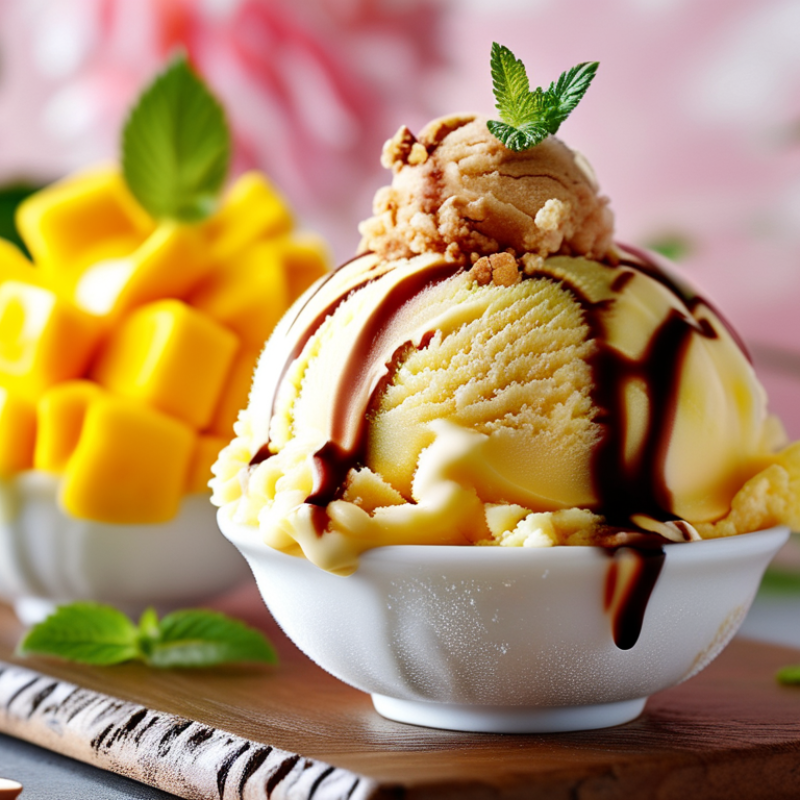
What Is Mochi Ice Cream and How Is It Made?
Mochi ice cream combines a soft, elastic rice-flour shell with a frozen dairy or plant-based center. The shell usually uses mochigome, a sticky short-grain rice, or glutinous rice flour. Manufacturers mix the flour with water and sugar, then steam the dough until it becomes translucent and dense. Some facilities use mechanical kneading for consistent elasticity. The warm dough is rolled into thin sheets, cut into circles, and wrapped around small ice cream portions. Rapid freezing helps protect the round shape and limits surface cracking.
This process requires careful temperature control. Dough that is too warm may tear during wrapping. Ice cream that softens too quickly may create uneven filling. The International Dairy Foods Association reports that ice cream remains a major global frozen-dessert category, while Grand View Research valued the global ice cream market at approximately 79 billion US dollars in 2023. These figures support interest in portable, portioned formats. However, market estimates differ by definition, region, and product classification. That deserves closer review.
Tips: Check the rice-flour specification, moisture level, filling weight, and freezing temperature before global sourcing. Request production samples after thawing and refreezing tests. A smooth shell can still hide a weak seal. Also verify allergen controls and cold-chain records. Small defects become costly during long-distance transport.
Which Product Features Support International Market Demand?
Why Choose Mochi Ice Cream for Global Sourcing?
Which Product Features Support International Market Demand?
Mochi ice cream suits global sourcing because it combines familiar ice cream with a distinctive, hand-held format. Its soft rice-flour shell protects the filling and creates a memorable first bite. Buyers often value consistent portion sizes, clean edges, and stable texture after freezing. These details support easier serving, inventory planning, and consumer acceptance across different markets. From sourcing experience, texture testing matters as much as flavor. A product may look attractive, yet become too firm during transport.
Tips: Request samples from different production batches. Check shell elasticity, filling balance, thawing behavior, and packaging durability. Review allergen declarations, ingredient specifications, and validated shelf-life data before ordering. Clear labels support reliable retail communication and help importers meet local requirements.
International demand also favors flexible flavors, moderate sweetness, and individually wrapped portions. Smaller units reduce handling concerns and suit convenience stores, foodservice, and online delivery. Packaging should resist moisture, protect shape, and display storage instructions clearly. Multilingual labeling may improve usability, but local review remains essential. No single recipe fits every market. Regional taste tests can reveal unexpected preferences, including strong reactions to sweetness or unusual fillings. That feedback should guide product adjustments, rather than assumptions. Cold-chain performance needs equal attention, because attractive packaging cannot repair poor temperature control. Suppliers with traceable production records, documented quality checks, and responsive communication offer stronger sourcing confidence.
How Does Mochi Ice Cream Fit Global Sourcing Requirements?
Why Choose Mochi Ice Cream for Global Sourcing?
Mochi ice cream can fit global sourcing needs when buyers treat it as a controlled frozen product. Its compact format supports efficient case packing and portion management. However, transport planning must protect both the ice cream and the rice-based outer layer. Cold chain performance matters. Storage records should show stable temperatures from factory loading to final delivery.
Reliable sourcing begins with clear specifications. Buyers should review ingredient lists, allergen controls, shelf-life data, and production-site certifications. Packaging must resist freezer moisture, crushing, and repeated handling. Export documents should match the destination market’s labeling and food safety requirements. Small details matter. A missing storage statement can delay customs clearance or confuse warehouse teams.
Supplier evaluation should include samples from different production batches. One attractive sample proves little. Texture may change after long transit, especially when temperature conditions fluctuate. A practical test can measure softness, filling consistency, seal strength, and carton damage. Minimum order quantities, lead times, and seasonal capacity also require honest discussion. No sourcing plan is perfect. A lower price may hide higher insurance, storage, or rejection costs. Buyers should keep batch records and agree on corrective actions before placing large orders. This approach makes mochi ice cream more manageable for international distribution, while leaving room to improve weak points discovered during real shipments.
Why Choose Mochi Ice Cream for Global Sourcing?
How does mochi ice cream fit global sourcing requirements?
Mochi ice cream is suitable for international sourcing when suppliers can maintain a reliable frozen cold chain. The chart compares widely used frozen-storage reference points: 18°C below zero is the Codex and European quick-frozen food benchmark, while 0°F equals approximately 17.8°C below zero. Consistent temperature control helps protect the ice cream filling, mochi texture, food safety, and transport quality.
Sources: Codex Alimentarius, Code of Practice for the Processing and Handling of Quick Frozen Foods, CXC 8-1976; European Commission, Directive 89/108/EEC on quick-frozen foodstuffs; U.S. Food and Drug Administration, Food Storage Guidelines.
What Should Buyers Evaluate in Suppliers and Production?
Global sourcing mochi ice cream requires more than comparing prices. Buyers should examine supplier capability, product consistency, and cold-chain discipline. The FAO reports that 14% of global food is lost between harvest and retail. Frozen products need tighter control.
Ask suppliers for production records, temperature logs, allergen controls, and batch-level traceability. A reliable facility should explain how it protects mochi dough from cracking, drying, or sticking during freezing and transport. Request samples from different production dates. One excellent sample proves little.
Food safety certification matters, but it should not replace an audit. Check certifications such as ISO 22000, HACCP-based systems, or recognized third-party schemes. Review corrective-action records, laboratory testing, and recall procedures. Packaging should protect individual pieces from moisture and freezer burn. It should also meet the destination market’s labeling requirements.
Capacity deserves careful testing. Compare approved output with actual monthly production, staffing, freezer space, and backup equipment. Ask how the supplier handles seasonal demand and delayed shipping. The UNEP Food Waste Index Report 2024 estimated 1.05 billion tonnes of food waste in 2022. Poor forecasting can increase this problem.
A low quote can still be expensive. No scorecard is perfect. Buyers should revisit supplier performance after launch, not only before signing. Delivered texture, complaint rates, fill rates, and temperature deviations reveal more than a polished presentation.