Blog

Why Is Maitake Extract Popular Among Global Buyers?

Why Is Maitake Extract Popular Among Global Buyers?

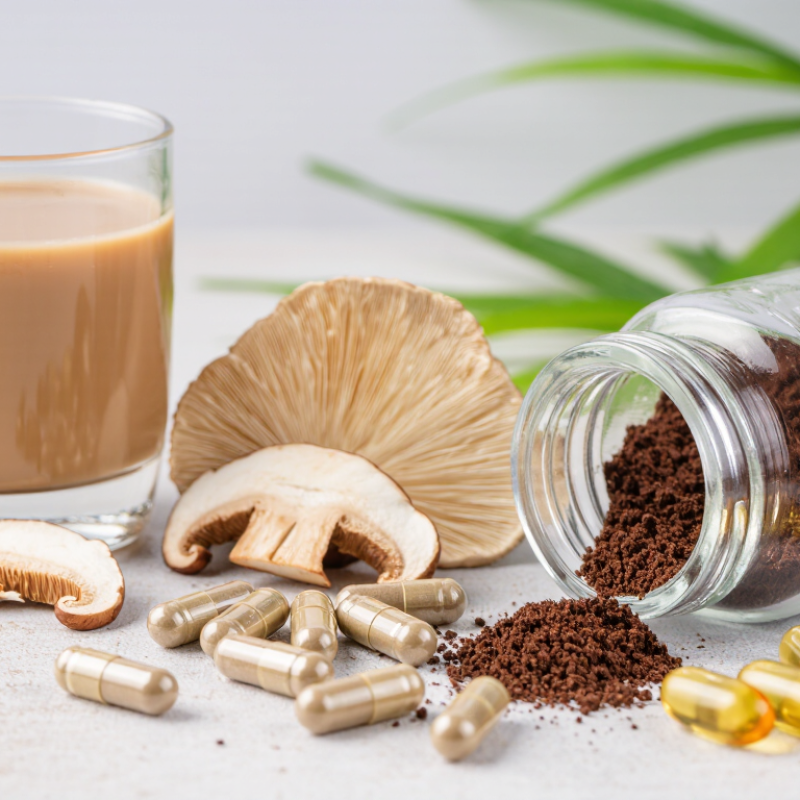
Maitake Extract has moved from specialty wellness stores into mainstream ingredient markets. Buyers value its recognizable mushroom origin, versatile format, and growing scientific interest. It appears in capsules, powders, functional beverages, and carefully formulated food products. The appeal is practical, not mysterious.

Mushroom educator Paul Stamets has said, “Mushrooms are nature’s recyclers.” This idea helps explain maitake’s appeal. Maitake grows in complex natural environments and contains compounds such as beta-glucans, which researchers continue to study. However, laboratory findings should not be presented as guaranteed human benefits. That distinction matters.

Global buyers also examine manufacturing details. They want clearly identified species, controlled cultivation, and stable extraction methods. A dark, fine powder is not enough evidence of quality. Responsible suppliers provide testing for identity, microbial safety, heavy metals, pesticides, and active compound consistency. Some buyers also ask whether the extract uses hot water, alcohol, or a dual process. The answer can affect its composition and application.

Trust is built slowly.

Experience in purchasing shows that transparent documentation often matters more than attractive packaging. Certificates, batch records, and traceable raw materials support informed decisions. Yet the market still has weaknesses. Product claims can become exaggerated, and extraction labels are not always easy to compare. Buyers should remain curious and cautious.

This introduction explores why Maitake Extract attracts international attention while examining quality, evidence, sourcing, and responsible communication. Its popularity is real. Its limitations deserve equal space.
Why Is Maitake Extract Popular Among Global Buyers?

What Is Maitake Extract?

What Is Maitake Extract?

Maitake extract is a concentrated preparation made from the fruiting body or mycelium of Grifola frondosa, commonly called maitake mushroom. Manufacturers usually use hot water, alcohol, or both solvents to release compounds such as beta-glucans and other polysaccharides. The final powder or liquid is not simply dried mushroom. It is a processed ingredient with a different concentration and composition.

Extraction quality depends on the raw material, temperature, solvent ratio, and testing method. A hot-water extract may emphasize water-soluble polysaccharides, while a dual extract can capture a broader compound profile. However, results vary between suppliers. The category is not perfectly standardized. Buyers should check botanical identity, extraction ratio, beta-glucan testing, heavy-metal screening, and microbiological reports.

Industry data helps explain its growing attention. FAOSTAT’s recent mushroom-and-truffle production data place global output above 40 million metric tons annually, showing a large and expanding cultivation base. Grand View Research has also reported strong growth across the global functional mushroom market, supported by demand for convenient wellness ingredients. These figures concern broader mushroom categories, not maitake extract alone. That distinction matters.

In practical use, buyers may find maitake extract in capsules, drink powders, and functional food formulas. Evidence remains uneven, especially for specific health outcomes in humans. Traditional use is meaningful, but it does not replace controlled clinical research. A transparent certificate of analysis is often more valuable than impressive wording.
How Is Maitake Extract Produced and Standardized?

Why Is Maitake Extract Popular Among Global Buyers?

How Is Maitake Extract Produced and Standardized?

Maitake extract begins with verified mushroom material and controlled cultivation. Correct species identification matters. It helps prevent confusion with visually similar fungi. Growers monitor temperature, humidity, airflow, and harvest timing. These details influence moisture, aroma, texture, and active compounds. After harvesting, the mushrooms are cleaned and dried at controlled temperatures. Excessive heat may damage sensitive components. The process is not perfectly uniform.

Manufacturers commonly use hot-water extraction to release soluble polysaccharides from dried maitake. Some producers combine water with food-grade ethanol for broader compound recovery. The liquid is filtered, concentrated, and spray-dried or vacuum-dried into a stable powder. Each step requires records, validated equipment, and trained operators. Small changes in extraction time can alter the final profile. This is easy to underestimate.

Standardization helps buyers compare batches more reliably. Laboratories may measure beta-glucans, total polysaccharides, moisture, ash, and extract ratio. Identity testing can include microscopy, DNA methods, or chemical fingerprinting. Quality checks should also cover microbial limits, heavy metals, pesticide residues, and foreign materials. A declared beta-glucan value needs a clear testing method. Otherwise, the number lacks useful context. Independent testing strengthens confidence, although no certificate removes every uncertainty. Batch records, traceability, and stable packaging remain essential for international supply.

Which Bioactive Compounds Are Found in Maitake Extract?

Why Is Maitake Extract Popular Among Global Buyers?

Maitake extract attracts buyers because its chemistry is richer than a simple mushroom powder. Its best-known compounds are beta-glucans, especially branched polysaccharides linked with immune-related research. A 2023 review in the International Journal of Medicinal Mushrooms reported that beta-glucan levels can vary widely, often around 20–40% of dry weight. Extraction method matters greatly.

The mushroom also contains proteoglucans, including research fractions commonly called D-fraction and SX-fraction. These names describe laboratory preparations, not guaranteed effects in humans. Maitake provides ergothioneine, phenolic compounds, sterols, and smaller amounts of triterpenoids. Recent compositional studies in Foods have measured antioxidant-related phenolics in highly variable ranges, shaped by strain, substrate, drying temperature, and solvent choice. That variability is easy to overlook.

Quality teams usually request beta-glucan testing, moisture data, microbial limits, and heavy-metal screening. The 2024 AOAC guidance on dietary supplement analysis also reinforces the need for validated methods and clear marker compounds. A dark extract is not automatically a stronger extract. Nor is a higher polysaccharide number always better. Some test methods measure total polysaccharides, rather than beta-glucans specifically. That distinction can change the label dramatically. I would treat unsupported “high potency” claims carefully, especially when the certificate lacks method details, batch numbers, or compound-specific results.

Why Is Maitake Extract Popular Among Global Buyers?

Representative Bioactive Compounds Found in Maitake Extract

Maitake (Grifola frondosa) contains several bioactive compound groups, including β-glucans, phenolic compounds, sterols, and sulfur-containing metabolites. The chart compares the molecular weights of representative small molecules reported in Maitake. β-glucans are not included because their molecular weight varies substantially with extraction and purification conditions.

Molecular-weight values are calculated from the reported molecular formulas: ergothioneine (C9H15N3O2S), grifolin (C22H30O4), grifolic acid (C22H30O4), and ergosterol (C28H44O).

Why Is Maitake Extract Popular Among Global Buyers?

Why Is Maitake Extract Popular Among Global Buyers?

Maitake extract has moved from specialty shops into wider international ingredient markets. Buyers value its earthy profile, mushroom heritage, and flexible use in capsules, powders, and functional foods. Interest also reflects demand for plant-based wellness ingredients with recognizable origins. Yet popularity does not prove effectiveness. Careful buyers separate cultural reputation from documented evidence and check permitted claims in each target market.

Professional procurement teams examine the fruiting body or mycelium source, extraction method, and marker compounds. They request certificates for identity, heavy metals, microbes, pesticides, and batch consistency. Clear labeling matters too. A reliable extract should state its extraction ratio, carrier ingredients, and storage conditions. These details help importers compare suppliers without trusting vivid marketing language. They also support traceability when shipments reach distant warehouses.

Practical experience shows that convenience drives many repeat purchases. Soluble powder blends easily into drinks, while capsules reduce storage and shipping space. Taste remains a challenge. Some extracts are bitter, and not every batch performs identically. That weakness deserves attention, not concealment. Global buyers increasingly prefer suppliers who explain limitations, share current test reports, and respond clearly when specifications change. Trust grows slowly through evidence, communication, and realistic expectations.

Why Is Maitake Extract Popular Among Global Buyers? - Why Is Maitake Extract Popular Among Global Buyers?

Buyer-Relevant Dimension Verified Information Why It Supports Global Demand Evidence / Qualification
Recognized species Maitake is the common name for Grifola frondosa, an edible mushroom species. A clearly identified botanical source makes it easier to define raw-material specifications, testing requirements, and labeling documentation. U.S. Department of Agriculture and established mycological references identify Grifola frondosa as maitake.
Bioactive compounds Maitake contains polysaccharides, including beta-glucans, as well as other mushroom-derived compounds. These compounds support positioning in functional-food, dietary-supplement, and wellness-product categories. Peer-reviewed mushroom research reports beta-glucans and polysaccharides in Grifola frondosa; composition varies by strain, substrate, and extraction method.
Multiple extract formats Commercial extracts may be supplied as powders, liquid extracts, granules, or standardized ingredients. Different formats can be incorporated into capsules, tablets, drink mixes, sachets, and functional foods. The appropriate format depends on solvent system, concentration, moisture level, solubility, and intended application.
Standardization potential Extracts can be specified by measurable parameters such as beta-glucan content, extraction ratio, moisture, ash, and microbiological limits. Defined specifications help importers compare batches and manage quality-control requirements across international supply chains. Testing methods and acceptance limits should be agreed between buyer and supplier; natural variation means a single universal value does not apply.
Research interest Preclinical and limited clinical research has investigated maitake constituents in areas such as immune-related activity and metabolic health. Scientific interest gives product developers a basis for further formulation and research, subject to local regulations. Research findings do not automatically establish disease-treatment benefits; human evidence remains limited for many proposed uses.
Plant-based positioning Maitake is a mushroom-derived ingredient and can be used in plant-based product concepts when processing aids and carriers meet the required criteria. It fits consumer interest in recognizable, non-animal-origin ingredients and botanical wellness products. “Vegan” or “vegetarian” status must be verified for the complete formulation, including capsules, carriers, and processing aids.
Supply-chain flexibility Maitake can be cultivated under controlled conditions, reducing reliance on wild collection for commercial supply. Controlled cultivation can support more consistent availability, traceability, and production planning. Actual consistency depends on cultivation substrate, geographic origin, harvest stage, drying, storage, and processing controls.
Quality and safety expectations International buyers commonly request identity testing, microbial analysis, heavy-metal testing, pesticide screening, and stability information. A documented quality system reduces import, formulation, and regulatory risks. Required tests vary by destination market, product category, and applicable food or supplement regulations.
Regulatory adaptability Maitake extract may be regulated differently as a food, dietary supplement, traditional product, or cosmetic ingredient depending on the country. A flexible ingredient specification allows buyers to develop products for different markets without relying on disease-treatment claims. Importers should verify permitted claims, novel-food status, dosage rules, allergen requirements, and labeling obligations in each target market.

Note: Maitake extract composition and regulatory status can vary by origin, cultivation method, extraction process, and destination country. Scientific interest should not be interpreted as proof of a medical treatment effect.

What Factors Influence Its Quality, Safety, and Market Value?

Why Is Maitake Extract Popular Among Global Buyers?

What Factors Influence Its Quality, Safety, and Market Value?

Maitake extract attracts buyers because it fits capsules, beverages, and functional food formulas. Its market value depends on more than a high concentration number. Buyers usually examine species authentication, cultivation conditions, extraction methods, and batch consistency. Fruiting-body material and mycelial material may produce different profiles. The source should be clearly declared.

Extraction temperature can affect sensitive compounds. Water extraction is common, while blended methods may change the final composition. Buyers should ask whether “polysaccharides” means total polysaccharides or a defined beta-glucan fraction. These terms are not interchangeable. A glossy specification sheet can still hide important gaps.

Safety requires documented testing for heavy metals, microbes, pesticides, and unwanted solvents. Reliable suppliers provide traceable batches and independent laboratory results. Storage also matters. Heat, moisture, and oxygen can gradually reduce stability. Packaging should protect the powder during long transport. Regulations differ across markets, so labeling and permitted claims need local review.

Price often reflects testing, extraction yield, labor, and supply reliability. A low quote may indicate weaker controls, but a higher price proves nothing alone. I would compare several batches, not just one certificate. Even experienced buyers can overvalue a dramatic assay result. Real quality is usually less exciting: consistent material, clear records, sensible claims, and honest limits.

Botanical Extracts Manufacturing | Manfacture botanical extracts for supplements.