
Blog

Essential Tips for Choosing a Double Eccentric Butterfly Valve?

Choosing the right valve can be challenging. Among various options, the double eccentric butterfly valve stands out. This valve type is known for its efficiency and reliability. However, making the best choice requires careful consideration.

When selecting a double eccentric butterfly valve, think about your specific needs. These valves offer advantages in many applications, especially in industries like water treatment and oil and gas. Consider the operating conditions, such as temperature and pressure. Not all valves perform well under extreme situations.

Additionally, not every supplier provides quality products. It's crucial to research manufacturers thoroughly. Read reviews and seek recommendations. Reflect on your past experiences. Did you choose the right valve last time? Learning from previous choices can lead to better decisions. In the world of valves, attention to detail matters significantly.
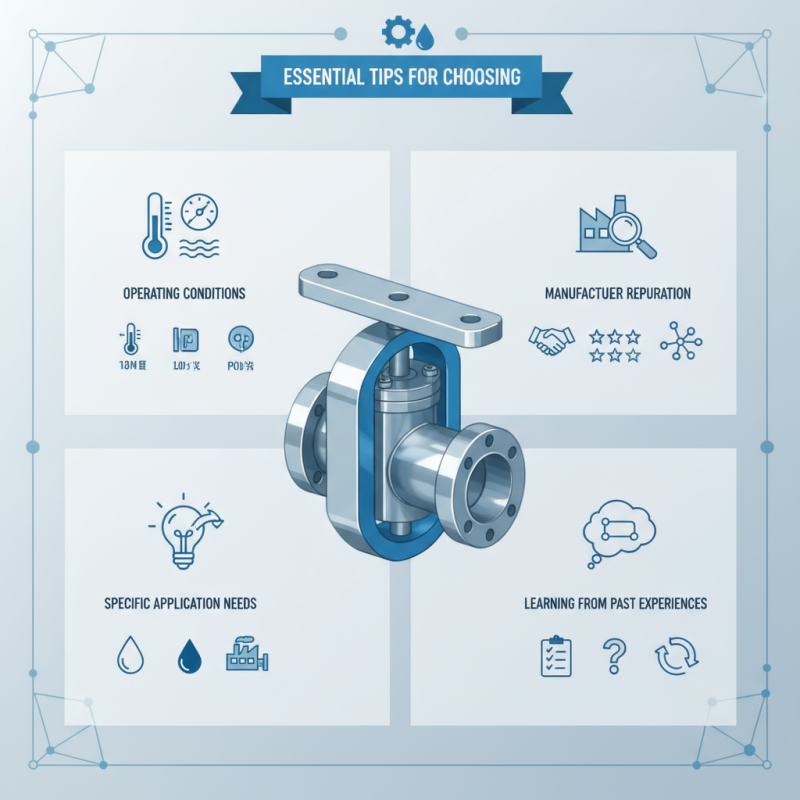
Essential Tips for Choosing a Double Eccentric Butterfly Valve?

Understanding Double Eccentric Butterfly Valves and Their Applications

Double eccentric butterfly valves are essential components in various industrial applications. They feature a unique design that minimizes friction and wear. This results in a longer lifespan, which is crucial in high-demand environments. These valves help control the flow of liquids and gases efficiently. Industries like water treatment, power generation, and oil and gas heavily rely on them.

Understanding their operation is key. The double eccentric design allows for a smoother opening and closing action. This reduces the torque needed to operate the valve. However, improper selection can lead to performance issues. The valve's materials must match the media they will handle. Ignoring compatibility can result in leaks or valve failure. It’s essential to assess the specific conditions where the valve will function. Consider factors like pressure and temperature.

Ultimately, selecting the right double eccentric butterfly valve requires attention to detail. Reviewing installation requirements and maintenance needs is vital. Not every valve will suit every application. A poor choice could lead to operational inefficiencies. It's important to reflect on both current and future needs when making a decision.

Essential Tips for Choosing a Double Eccentric Butterfly Valve

Key Factors to Consider When Selecting a Double Eccentric Butterfly Valve

When choosing a double eccentric butterfly valve, several key factors come into play. Performance metrics are crucial. According to industry reports, a valve with a disc design that maintains a tight seal can reduce potential leakage by up to 20%. This translates to less energy loss and lower operational costs. Additionally, take note of the valve's temperature and pressure ratings. Many valves fail when exposed to conditions exceeding these limits, leading to downtime.

Material choice is another vital consideration. Valves made from corrosion-resistant alloys tend to last longer. A study indicates that 30% of valve failures are due to poor material selection. For instance, stainless steel valves are often favored in chemical industries but may not be suitable for all applications. The wrong choice can lead to excessive wear or catastrophic failure.

Installation and maintenance should also be evaluated. Complex installations can increase costs and require specialized skills. Regular maintenance is essential, yet it can be overlooked. A survey found that nearly 25% of companies don’t perform routine inspections on valves. This lack of diligence can lead to inefficiencies or system failures. Understanding these aspects can guide you in selecting the right butterfly valve for your needs.

Essential Tips for Choosing a Double Eccentric Butterfly Valve

Key Factors Considerations
Size Ensure the valve size matches the pipeline specifications and flow requirements.
Material Choose materials that are compatible with the fluid type and operating conditions.
Pressure Rating Select a valve with a pressure rating suitable for the system pressure.
Temperature Range Ensure the valve can operate effectively within the required temperature limits.
Actuation Type Decide between manual, electric, pneumatic, or hydraulic actuation based on application needs.
Leakage Rate Consider the leakage class of the valve to ensure compliance with operational standards.
Maintenance Requirements Evaluate the ease of maintenance and availability of spare parts for the valve model.
Certifications Check for relevant industry certifications and standards compliance to ensure quality and safety.

Material Selection for Double Eccentric Butterfly Valves

When selecting materials for double eccentric butterfly valves, consider the operating environment. These valves often face harsh conditions, including high pressures and corrosive substances. According to industry reports, stainless steel is preferred for high-temperature applications. It offers strength and corrosion resistance but can be costly.

Another option is ductile iron, which provides good durability at a lower price. However, it may not withstand extreme conditions. In some cases, coatings can enhance a valve's lifespan and performance. For example, epoxy coatings are effective in preventing corrosion.

Keep in mind that improper material choice can lead to failures. A report from the Valve Manufacturers Association highlights that failures due to material issues account for 30% of all valve malfunctions. Regular maintenance and monitoring are crucial. Understanding the specific requirements of your application will minimize risks and enhance efficiency.

Evaluating the Performance Specifications of Butterfly Valves

When evaluating the performance specifications of double eccentric butterfly valves, several factors come into play. Consider the valve's size and pressure rating. These features directly impact how well it performs in various conditions. It is essential to match the valve’s capacity with the system’s requirements. Assessing flow characteristics is equally crucial. Look for a valve that offers a smooth flow path and minimal turbulence.

Material selection can also affect performance. The valve body may need to withstand harsh environmental conditions. Materials like stainless steel or ductile iron are often good choices. Furthermore, sealing mechanisms should be scrutinized. A tight seal is vital to prevent leaks. If the seal fails, it can compromise the entire system's integrity.

Also, consider the installation and maintenance aspects. Some valves may be easier to install and maintain than others. This can impact your operational efficiency. Therefore, make sure to review these elements thoroughly. It’s okay to feel unsure; the right choice requires deep understanding and reflection. Misjudgment in selection can lead to inefficiencies and costly repairs down the line. Always weigh each aspect carefully before making a decision.

Maintenance Tips for Ensuring Longevity of Butterfly Valves

Maintaining double eccentric butterfly valves is crucial for their longevity. Regular inspection can prevent minor issues from turning into major problems. Check for leaks, wear, and tear on seals. Even tiny leaks can lead to inefficiency. Always ensure your valves operate smoothly.

Cleaning is essential. Debris can accumulate in valve bodies. This can cause operational issues. Regularly remove dirt and other contaminants. A simple procedure can enhance performance. Remember, neglecting this could lead to costly repairs.

Lubrication is another key factor. Proper lubrication reduces friction and wear. However, be cautious not to over-lubricate. Excess lubricant can attract more dirt. It can also create sticky residues. Finding the right balance is necessary. Evaluate your lubrication routine periodically. This can lead to better valve performance over time.

Botanical Extracts Manufacturing | Manfacture botanical extracts for supplements.