Top Tips for Using Solar Containers Effectively?
As the search for sustainable energy solutions intensifies, solar containers emerge as a versatile option. These innovative energy systems provide portable solar solutions, offering flexibility in various applications. According to industry reports, the global market for solar containers is projected to reach $2 billion by 2025. Experts believe their adaptability will drive this growth.
David Morgan, a leading expert in renewable energy, stated, "solar containers not only deliver power but also transform how we think about energy access." This insight underlines the potential of solar containers in disaster relief and remote locations. Their ability to deliver renewable energy efficiently is commendable, yet challenges such as installation, maintenance, and initial costs must be addressed.
Many users overlook these aspects. Without proper planning, investing in a solar container might not yield maximum returns. As the industry evolves, embracing best practices in utilization will be essential. Awareness of these factors can guide decisions, leading to more effective applications of solar containers in various sectors.
Understanding Solar Containers and Their Benefits
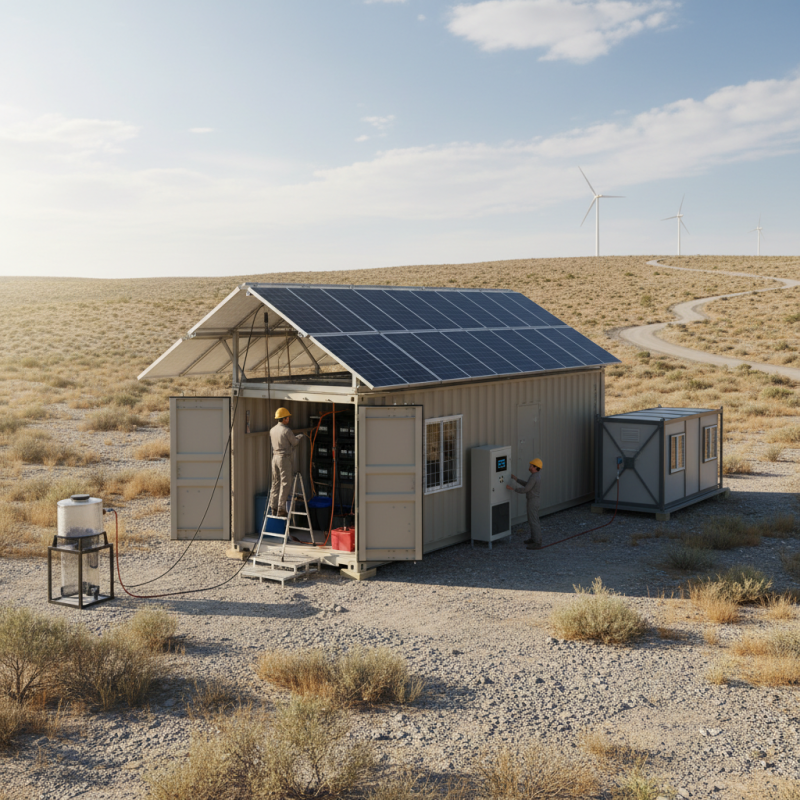
Solar containers are innovative solutions that harness solar energy. They are portable and versatile. Many people use them for various purposes, including off-grid living or emergency power. Their design allows easy transportation and setup.
One main benefit is sustainability. Solar containers reduce reliance on fossil fuels. This is crucial as climate change becomes more pressing. Additionally, these containers can provide energy in remote areas. However, some challenges exist, such as potential high upfront costs. Proper installation and maintenance are essential for optimal performance.
Users should be aware of their limitations. For example, weather conditions can affect efficiency. On cloudy days, energy generation may drop significantly. Understanding these factors is vital. Overall, solar containers offer great benefits, but require thoughtful consideration and planning for effective use.
Choosing the Right Location for Solar Container Placement
Choosing the right location for solar container placement is crucial to maximizing energy production. Studies show that optimal placement can increase solar efficiency by up to 30%. Think about your site's sun exposure. Areas that receive direct sunlight for most of the day are ideal, as they enhance solar energy capture.
Consider the environment around your solar container. Trees, buildings, or even fences can create shade. This reduces energy output. According to industry reports, shade can cut solar panel efficiency by 20% or more. Therefore, assessing the surrounding landscape is essential.
Wind exposure is another factor. Placing solar containers in windy areas may require sturdier designs. Strong winds can disrupt the stability of solar containers. When choosing a location, aim for a balance. A spot with good sun exposure but less wind impact is often the best choice. Ultimately, careful site selection will lead to greater energy production and reliability.
Top Tips for Using Solar Containers Effectively - Choosing the Right Location for Solar Container Placement
| Location Factor | Importance Level (1-5) | Description |
| Sunlight Exposure | 5 | Ensure the container receives maximum sunlight throughout the day. |
| Accessibility | 4 | Choose a location that is easily accessible for maintenance and use. |
| Shelter from Elements | 3 | Consider locations that provide some protection from wind and heavy rain. |
| Proximity to Power Needs | 4 | Place containers near areas where power is most needed to reduce energy loss. |
| Local Regulations | 5 | Check local zoning laws to ensure compliance with placement regulations. |
| Surface Stability | 4 | Select level ground to maintain stability and prevent damage. |
Essential Maintenance Tips for Optimal Solar Efficiency
Solar containers can be an excellent way to harness renewable energy. However, they need consistent maintenance to ensure optimal performance. Keeping solar panels clean is crucial. Dust, debris, and dirt can accumulate and reduce efficiency. Use a soft cloth or sponge to wipe down the surface. Regularly check for any signs of damage.
Battery maintenance is just as important. Inspect connections for corrosion. Ensure terminals are clean and tight. Monitoring the battery's charge level helps prevent overcharging. Many people overlook this aspect, leading to decreased battery life. It’s essential to replace batteries as needed to maintain power efficiency.
Lastly, monitor the overall system performance regularly. Keeping an eye on energy output can help identify issues quickly. An unexpected drop in power generation should prompt an immediate check. Sometimes, it’s easy to forget about routine checks, yet they are vital for long-term efficiency. Without attention, even a well-set-up system can underperform.
Integrating Solar Containers with Existing Systems
Integrating solar containers with existing systems can significantly boost energy efficiency. Think about your current infrastructure. Does it have room for solar enhancements? Examine your energy consumption patterns. Understanding these patterns is critical for seamless integration. Adding solar containers can reduce reliance on conventional electricity sources. However, careful planning is key.
When connecting solar containers, consider existing energy storage solutions. Are they compatible? Compatibility issues can lead to inefficient energy use. You may need additional equipment or modifications. Monitor the performance of both systems regularly. This will help identify areas for improvement. Maintaining an ongoing evaluation ensures that your system runs smoothly.
Sometimes, the integration may not work as expected. There could be unexpected downtime or lower-than-anticipated energy output. Be open to adjustments and recalibrations. Engaging with specialists can provide new insights. They may suggest innovative ways to enhance your system’s overall performance. Remember, ongoing learning is a part of making the most of solar energy.
Maximizing Energy Output with Smart Technologies
Harnessing solar containers offers innovative pathways to maximize energy output. Smart technologies play a crucial role here. High-efficiency solar panels capture sunlight effectively, converting it into usable energy. Pairing these with energy management systems optimizes storage and utilization. Automated systems track sunlight patterns, ensuring maximum collection throughout the day. This adaptability leads to significantly increased energy yield.
However, technology alone isn't enough. Regular maintenance and monitoring are essential. Neglecting to clean solar panels can lead to reduced efficiency over time. System malfunctions can go unnoticed without proper oversight, resulting in energy losses. Integrating sensors can help identify issues early, allowing for timely repairs. Utilizing data analytics can reveal usage patterns and highlight improvement areas.
Investing in smart technologies requires understanding. Not every system suits every location or need. What works in one environment may struggle in another. So, careful planning and adjustments are necessary. The journey toward effective solar container use is ongoing and requires constant reflection and adaptation. Successful outcomes stem from a commitment to learning and improving along the way.