
Blog

How to Choose the Right Conveyor Belt Rollers for Your Needs?

Choosing the right conveyor belt rollers is crucial for operational efficiency. According to a 2022 industry report by IBISWorld, the conveyor belt systems market is projected to grow by 3.5% annually. This growth underscores the increasing demand for reliable conveyor systems across various sectors.

Expert Dr. Thomas H. Smith, a leading figure in conveyor technologies, states, "Selecting suitable conveyor belt rollers can significantly reduce maintenance costs and improve productivity." His insight highlights the importance of making informed decisions regarding roller selection.

The right rollers not only impact the performance of the conveyor system but also affect its lifespan. Considerations like load capacity, material, and roller size are critical. Yet, many fail to assess these factors thoroughly. By understanding these elements, businesses can enhance their efficiency. Ignoring them could lead to unforeseen challenges down the road.
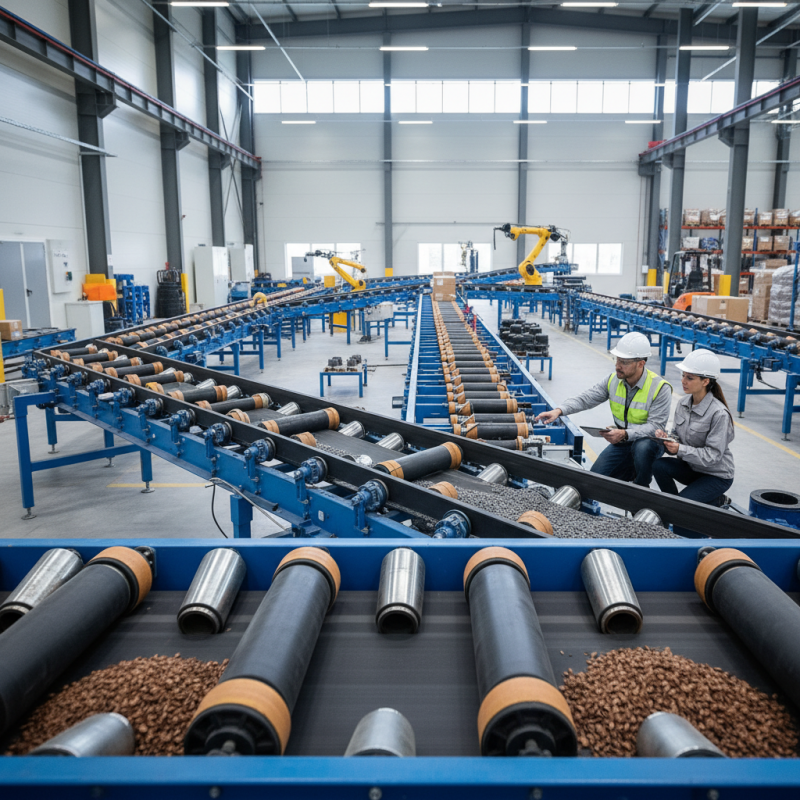
How to Choose the Right Conveyor Belt Rollers for Your Needs?

Understanding the Different Types of Conveyor Belt Rollers

When selecting conveyor belt rollers, understanding their different types is crucial. Rollers serve various functions in conveying systems. They can be categorized into several types, including carrying rollers, return rollers, and impact rollers. Carrying rollers support the weight of the conveyed material. Return rollers, on the other hand, help bring the belt back. Each type has its specific role.

Carrying rollers are often covered in rubber to provide grip and prevent slippage. These rollers are typically positioned along the conveyor's load-bearing path. Impact rollers protect the belt from heavy loads during the material transfer phase. Selecting the wrong type can lead to increased wear and tear. It may also result in higher operational costs.

Considering the environment is also essential. For instance, if the conveyor operates in a dusty or wet area, you'll need corrosion-resistant rollers. These details can greatly impact efficiency and lifespan. It's easy to overlook these factors, but they are vital for smooth operations. Finding the right roller types demands careful analysis and reflection on specific conveyor needs.

Key Factors to Consider When Choosing Conveyor Belt Rollers

When choosing conveyor belt rollers, several key factors come into play. Roller diameter is crucial. Larger rollers can support heavier loads but may require more energy to operate. Smaller rollers are easier to handle, but they might wear out faster under heavy use. It's essential to balance durability with efficiency.

Material choice for rollers also impacts performance. Steel rollers are strong but can rust. Plastic or rubber rollers are lighter and resistant to corrosion. They can wear down quickly, impacting longevity. Assess the environment—will moisture or chemicals be present? This will influence your decision.

Consider the roller design as well. Some rollers have a smooth surface, while others have textured features for better grip. A textured roller can help in preventing slippage. However, it may also accumulate debris. Regular maintenance is necessary to assess roller conditions. Think about your setup and how each factor aligns with your operational demands. This process can be complex and requires thoughtful reflection.

How to Choose the Right Conveyor Belt Rollers for Your Needs?

The following chart illustrates the key factors to consider when choosing conveyor belt rollers, highlighting their importance in various applications. The parameters include Load Capacity, Material Durability, Roller Diameter, and Cost Efficiency.

Assessing Load Capacity and Durability Requirements

When selecting conveyor belt rollers, assessing load capacity is crucial. A standard roller can handle between 100 to 5,000 pounds, depending on design and material. Heavy-duty options exist for extreme loads but may increase costs. Picking the wrong roller could lead to premature wear or failure.

Durability is equally essential. Consider factors like environmental conditions and material composition. For example, steel rollers are often favored for their strength, but they can corrode. In contrast, plastic rollers resist rust but might not support as much weight. Research shows that choosing the right material can extend roller lifespan by up to 30%.

Regular maintenance is vital too. A roller may seem functional but could be underperforming. An inspection every few months can reveal issues before they become significant. Remember, neglecting these factors can lead to downtime, impacting overall productivity and efficiency. A small oversight might cost far more in repairs or lost time.

Evaluating Roller Materials and Their Impact on Performance

When choosing conveyor belt rollers, the material is crucial. Different materials offer various benefits. For instance, steel rollers are robust and suitable for heavy loads. However, they can lead to increased noise levels. In contrast, plastic rollers are quieter but may not support very heavy items.

Evaluating the impact of roller materials on performance is essential. Plastic rollers are often lighter and more resistant to corrosion. They work well in wet environments. Yet, they might wear out faster under stress. Steel rollers excel under heavy usage but require regular lubrication. This maintenance adds to overall costs.

Flexibility in choosing materials can enhance productivity. Not all operations need the same roller type. A mixture of materials might provide a balanced solution. It is vital to assess load requirements and environmental conditions. This reflection will lead to more informed decisions. Understanding these nuances is key to optimizing conveyor systems.

Maintenance and Replacement Considerations for Conveyor Rollers

Choosing the right conveyor belt rollers is crucial for efficiency. However, maintenance and replacement often get overlooked. Regular inspections can prevent costly downtimes. Look for signs of wear, like unusual noises or vibrations. These can indicate that a roller may need attention.

When it's time for replacement, consider factors such as load capacity and environmental conditions. A roller that works well in one setting might fail in another. Always compare specifications. Using mismatched components can lead to operational issues. Keeping a log of maintenance activities can help track when replacements are due.

Remember, even high-quality rollers are not immune to damage. Weather, material, and workload can all play a role. An unexpected failure can halt production. Keep spare rollers on hand to avoid delays. It's better to be prepared than face interruptions.

Botanical Extracts Manufacturing | Manfacture botanical extracts for supplements.