
Blog

How to Choose the Right Spider Coupling for Your Needs?

Choosing the right spider coupling can be challenging. Many factors impact your decision. A spider coupling plays a crucial role in connecting shafts and transmitting torque.

When selecting a spider coupling, consider your specific needs. Different applications require different features. For instance, size and material greatly influence performance. A good match can enhance efficiency. However, mismatches can lead to failures and unnecessary downtime.

Sometimes it’s hard to visualize how a spider coupling will perform. Conducting tests or consulting experts may help. It’s vital to reflect on past experiences and learn from them. Each choice shapes the overall functionality of your machinery.
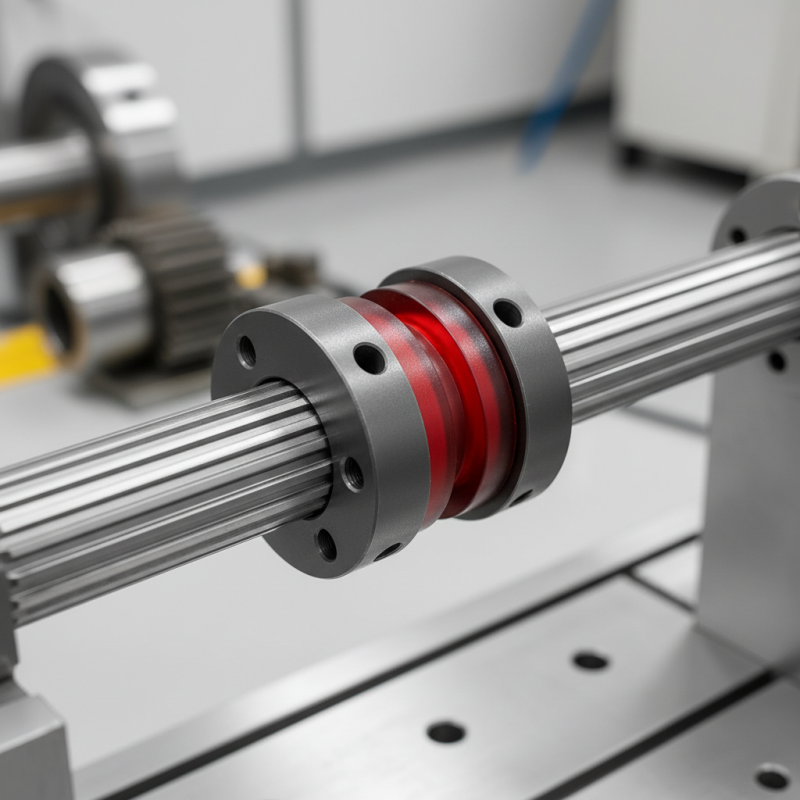
How to Choose the Right Spider Coupling for Your Needs?

Understanding Spider Couplings: Definition and Functionality

Spider couplings are essential components in mechanical systems. They provide flexibility between connected shafts while transferring torque. Typically, a spider coupling consists of two metal hubs with a flexible elastomeric spider in the middle. This design helps absorb shock and reduce vibrations during operation.

Understanding the functionality of spider couplings is vital. They allow misalignment between shafts, which is common in real-world applications. However, improper selection can lead to failures. For instance, using the wrong hardness level in the elastomer can cause quick wear and increased noise. It's crucial to consider the torque and speed requirements before making a choice.

Many users overlook the importance of maintenance. Regular inspections can prevent unexpected downtime. Small cracks or wear signs on the spider should not be ignored. These details can save you from costly repairs later. Take time to analyze your specific needs carefully; it can make a significant difference in performance and longevity.

Types of Spider Couplings and Their Applications

When selecting a spider coupling, understanding the different types available is crucial. Flexible spider couplings are commonly used in industrial applications. They accommodate misalignment and absorb shock. These couplings are often made from materials like rubber or polyurethane. Their flexibility helps in reducing wear on connected machinery. Rigid spider couplings, on the other hand, provide a solid connection. They’re typically used in applications with precise alignment needs.

According to industry reports, the global market for spider couplings is expected to grow at an annual rate of 4.5% over the next five years. This growth is largely driven by increasing automation in manufacturing. As facilities strengthen their machinery, the right coupling plays a vital role in overall efficiency. Choosing the right type based on your specific application is a decision that should not be rushed.

Tip: Consider the operating environment. Factors like temperature and exposure to chemicals can affect coupling performance. Regular assessments can help prevent failures. Often, users overlook maintenance schedules, assuming couplings don’t need attention. This mindset can lead to costly downtime. Ensure to review coupling specifications and match them to application requirements.

How to Choose the Right Spider Coupling for Your Needs? - Types of Spider Couplings and Their Applications

Type of Spider Coupling Material Application Torque Capacity (Nm) Max Speed (RPM)
Jaw Coupling Nylon Electrical motors, pumps 20-150 3000
Disc Coupling Aluminium High-speed applications 100-500 6000
Grid Coupling Steel Heavy machinery 200-1000 4000
Molded Flex Coupling Rubber Vibration dampening 30-200 3500

Key Factors to Consider When Selecting a Spider Coupling

When selecting a spider coupling, consider key factors that impact performance and durability. The material of the coupling is crucial. Most couplings are made from elastomers, which need to withstand environmental stress. A report by the Power Transmission Distributors Association indicates that material quality can affect lifespan by up to 40%. This is vital for industries with high vibrations and shock loads.

Another important factor is the torque capacity. Many applications require specific torque levels to function effectively. Failure to match torque ratings can lead to premature failure. Research shows that using couplings with inappropriate torque specifications can reduce transmission efficiency by nearly 30%. Regular monitoring of performance data can help avoid this pitfall.

Lastly, consider the application type. Environments vary widely, from automotive to heavy machinery. A spider coupling for a conveyor belt will differ from one used in an electric motor. Industry studies indicate that aligning the coupling design with specific application needs mitigates alignment issues by 25%. Always reflect on how your chosen coupling will match operational demands and conditions.

How to Determine the Right Size and Material for Your Needs

Choosing the right size and material for a spider coupling is crucial for optimal performance. Begin by assessing the application requirements. Consider the torque, speed, and load that the coupling will handle. Each project has unique demands. A mismatch in size can lead to inefficiency or failure.

Material selection is equally important. Common materials include rubber and polyurethane. Rubber offers flexibility and shock absorption. Polyurethane is more durable and resistant to wear. However, temperature and environmental factors can affect their performance. Reflect on the surrounding conditions. Sometimes, compromises are necessary, but understanding these details is essential.

Be mindful of maintenance needs too. Some couplings require regular inspection and replacement. Others are more robust, requiring less attention. If unsure, consult with a specialist. However, trust your instincts and past experiences. Making the right choice may not always be straightforward. Continual evaluation of your needs will lead you to better decisions.

Installation and Maintenance Tips for Optimal Performance

When it comes to spider couplings, proper installation can significantly impact performance. Start by cleaning the shaft and coupling surfaces before assembling. Any dirt or debris can cause misalignment. Use a torque wrench to secure the bolts evenly. An incomplete tightening can lead to vibrations. Ensure you don’t overtighten, as this may damage the coupling components.


Regular maintenance is key to longevity. Inspect the coupling for signs of wear or misalignment every few months. If you notice abnormal noises, stop the equipment immediately. Ignoring these signs can lead to serious issues. Lubrication is essential; however, avoid over-lubricating. This can attract contaminants. Always check the manufacturer’s recommendations for the correct lubricant type.


It’s important to reflect on your setup periodically. Are you using the correct spider coupling for your specific application? Each environment poses unique challenges. Make adjustments based on performance feedback. These small considerations can lead to better efficiency and fewer breakdowns. Remember, proactive measures can save time and resources in the long run.

Botanical Extracts Manufacturing | Manfacture botanical extracts for supplements.